Introduction
A properly functioning gutter system is essential for protecting your home from water damage. While gutters collect rainwater from the roof, downspouts play a crucial role in directing that water safely away from your home’s foundation. Unfortunately, many homeowners underestimate the importance of installing downspout on gutter correctly a mistake that can lead to costly repairs down the line.
In this comprehensive guide, we’ll walk you through everything you need to know about installing downspout on gutter, including why it’s necessary, how it’s done, common mistakes to avoid, and why professional gutter installation is the best choice for long-term performance.
What Is a Downspout and Why It Matters
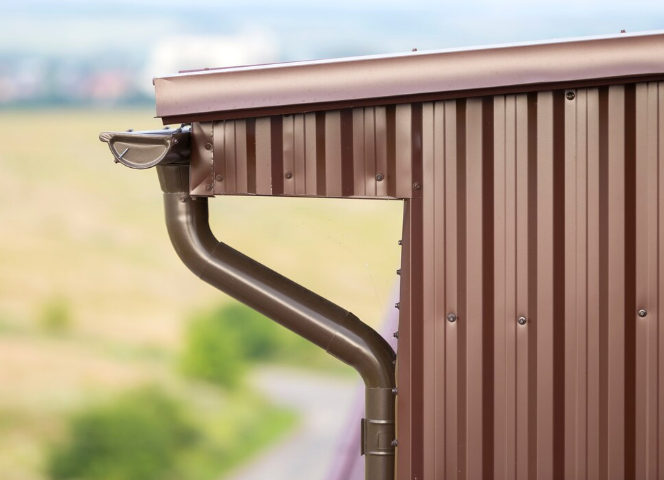
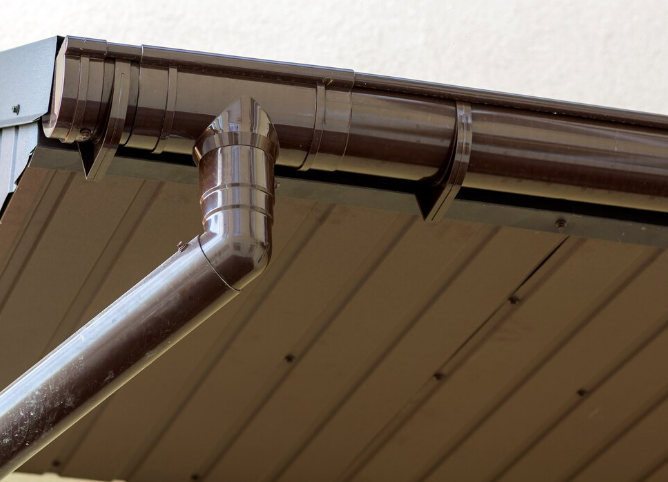
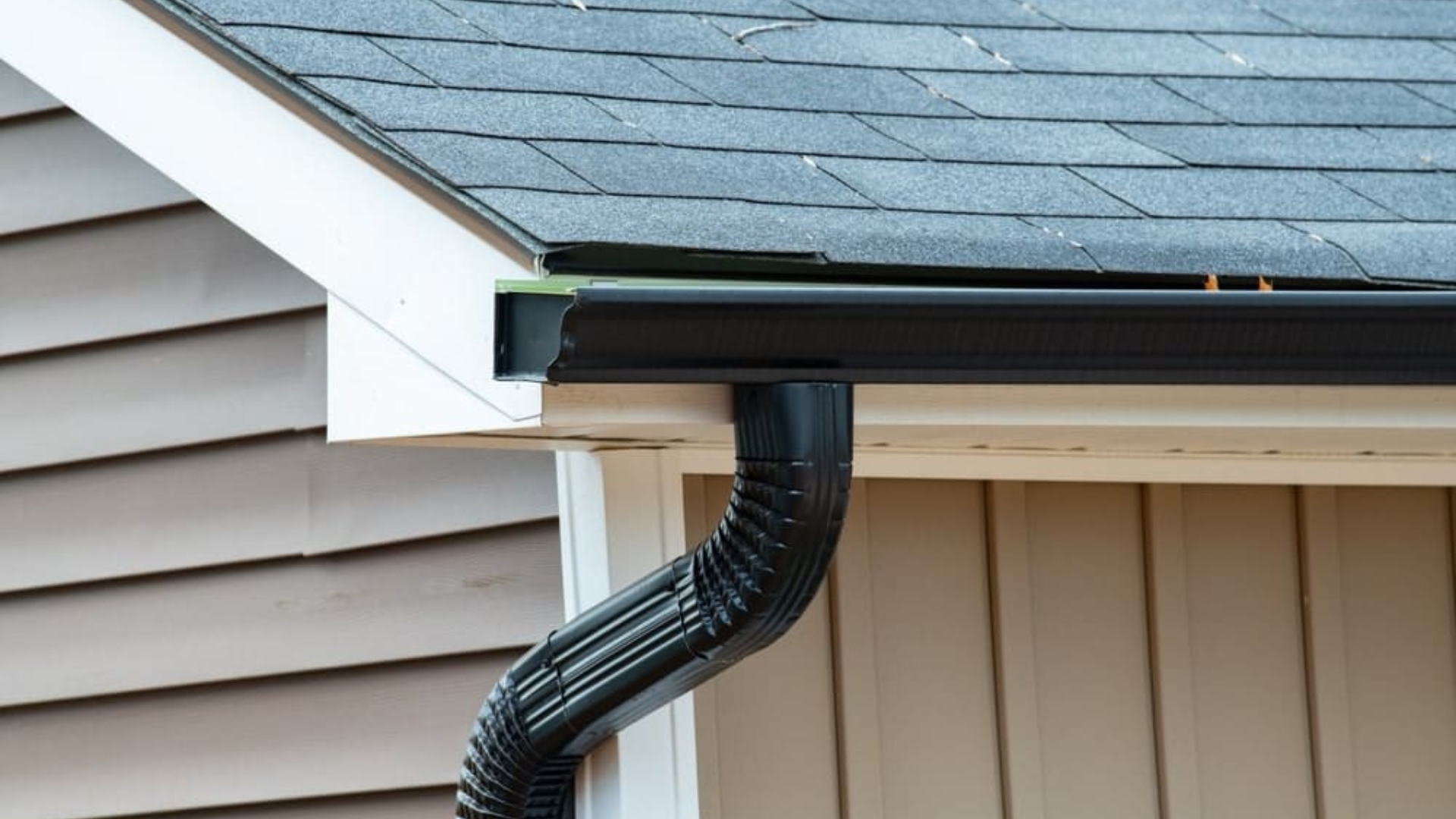
Before diving into the installation process, it’s essential to understand the role of a downspout in your gutter system. A downspout is a vertical pipe that channels rainwater collected by gutters down to the ground and away from your property.
When a downspout is properly installed, it prevents:
- Soil erosion around the foundation
- Basement flooding and water seepage
- Structural damage to walls and siding
- Mold growth and wood rot
In short, a downspout is your home’s defense line against water intrusion.
Understanding the Importance of Installing Downspout on Gutter
Many homeowners think the gutter alone is enough to manage rainwater. However, without the correct downspout installation, even the most durable gutter systems can fail. Installing a downspout on a gutter ensures proper water flow direction and keeps your home dry during heavy rainfalls.
Key Benefits of Proper Downspout Installation
- Protects Foundation Integrity – Redirects water away from the base of your home.
- Prevents Roof Overflow – Manages heavy rain effectively, avoiding spillage.
- Extends Gutter Lifespan – Reduces stress and debris accumulation in the gutters.
- Improves Curb Appeal – Professionally installed downspouts blend seamlessly with your home’s exterior.
- Reduces Maintenance Costs – Proper setup minimizes blockages and future repairs.
Components Needed for Installing Downspout on Gutter
To ensure successful installation, it’s important to use the right components and materials. Here’s what a typical setup includes:
- Gutter Elbows: To connect the gutter outlet to the downspout pipe.
- Downspout Pipe: The vertical pipe directing water downward.
- Gutter Outlet: A hole cut into the gutter to attach the downspout.
- Brackets and Straps: For securing the downspout to the wall.
- Extension or Splash Block: To carry water further away from the foundation.
Step-by-Step Guide: Installing Downspout on Gutter
While professionals like Gutter Xperts LLC handle this task with precision, it’s helpful for homeowners to understand the process.
Step 1: Measure and Mark the Outlet Location
Start by determining where the downspout will connect to the gutter. The ideal location is the lowest point of the gutter run to ensure water drains properly.
Step 2: Cut the Gutter Outlet Hole
Use a hole saw or tin snips to cut a hole where the outlet will be installed. Always wear safety gloves and measure accurately to prevent leaks.
Step 3: Install the Gutter Outlet
Insert the outlet into the hole and secure it using pop rivets or screws. Apply a waterproof sealant around the edges for extra protection.
Step 4: Connect the Elbows and Downspout
Attach an elbow to the gutter outlet, followed by a straight downspout section. Use brackets to secure the downspout to the wall every 8–10 feet for stability.
Step 5: Add a Splash Block or Extension
At the bottom, install a splash block or flexible extension to redirect water at least 3–4 feet away from your foundation.
Step 6: Test the System
After installation, run water through the gutter to ensure proper flow and check for leaks or blockages.
Common Mistakes to Avoid When Installing Downspout on Gutter
Even small installation errors can lead to major water damage. Here are some frequent mistakes homeowners make:
- Incorrect Placement – Downspouts installed too close to the foundation cause pooling water.
- Inadequate Number of Downspouts – Long rooflines need multiple outlets for even drainage.
- Improper Slope – If gutters don’t slope correctly toward downspouts, water will stagnate.
- Loose Fasteners – Downspouts can detach in storms if not properly secured.
- No Extensions – Water exiting too close to your home undermines the foundation over time.
Avoid these mistakes by hiring a professional gutter contractor who understands your home’s unique structure and rainfall patterns.
Why Hire Professionals for Installing Downspout on Gutter
While DIY installation may seem appealing, downspout installation requires precision, proper slope alignment, and material expertise. Here’s why it’s smart to leave it to the pros:
- Experience: Professionals have years of experience in drainage design.
- Equipment: They use specialized tools for secure, leak-proof installations.
- Safety: Climbing ladders and handling sharp metal edges can be dangerous.
- Warranty: Reputable installers like Gutter Xperts LLC offer workmanship guarantees.
- Efficiency: A professional can complete the job faster and more accurately.
If you’re investing in your home’s longevity, a certified gutter contractor ensures peace of mind.
Best Materials for Downspouts and Gutters
Choosing the right material enhances performance and longevity. Here’s a quick breakdown:
| Material | Durability | Aesthetic Appeal | Maintenance | Cost |
| Aluminum | High | Modern look | Low | Moderate |
| Copper | Excellent | Elegant patina | Low | High |
| Steel | Strong | Industrial | Medium | Moderate |
| Vinyl | Moderate | Variety of colors | Low | Affordable |
Each material has its pros and cons, but aluminum and copper remain top choices for both residential and commercial properties.
For a detailed comparison, check our previous post:
➡️ Why Homeowners Are Switching to Copper Gutters in 2025
Maintenance Tips After Installing Downspout on Gutter
Once your system is installed, maintenance is key to ensuring long-term functionality.
- Clean Regularly: Remove leaves, twigs, and debris at least twice a year.
- Inspect After Storms: Check for loose connections and blockages.
- Seal Joints: Apply gutter sealant annually to prevent leaks.
- Check Extensions: Ensure water is still flowing away from the foundation.
- Schedule Professional Inspection: A yearly inspection prevents minor issues from becoming costly repairs.
By following these steps, you can extend the life of your gutter system and avoid expensive water damage.
When to Replace Your Downspout
Even the best installations eventually wear out. Signs that it’s time for replacement include:
- Cracks or holes in the downspout
- Rust or corrosion
- Detachment from the gutter or wall
- Water pooling near your foundation
- Leaks at joints or seams
If you notice any of these issues, schedule a gutter inspection service immediately to prevent structural damage.
How Professional Gutter Contractors Ensure Quality Installation
At Gutter Xperts LLC, every downspout installation follows a detailed process that includes:
- Precise measurements for accurate slope
- Seamless integration with existing gutters
- Heavy-duty brackets for secure mounting
- Rust-resistant materials for longevity
- Testing for leak-free performance
This commitment to detail ensures your home remains protected through all weather conditions.
Environmental Benefits of Proper Downspout Installation
Efficient rainwater management isn’t just good for your home it’s good for the environment too.
By directing water effectively:
- You reduce soil erosion and stormwater runoff.
- You can collect rainwater for irrigation.
- You prevent pollutants from entering local waterways.
Installing your downspout on gutter properly contributes to a sustainable home drainage system.
Cost of Installing Downspout on Gutter
The cost can vary depending on material, house size, and location. On average:
- Aluminum downspouts: $7–$12 per linear foot
- Copper downspouts: $15–$25 per linear foot
- Vinyl downspouts: $5–$8 per linear foot
While this may seem like a small investment, the long-term savings from preventing water damage are significant.
Conclusion: Protect Your Home with Expert Downspout Installation
Your home’s foundation, walls, and roof rely on a properly functioning gutter system. Installing downspout on gutter is more than a technical task it’s an essential investment in your property’s safety and value.
Whether you’re upgrading an old system or installing new gutters, trust Gutter Xperts LLC for professional, reliable, and affordable service. Our team specializes in gutter installation, repair, and inspection for both residential and commercial properties.
Visit us at GutterXperts.org to schedule your consultation today and ensure your home stays protected year-round.
FAQs About Installing Downspout on Gutter
1. How many downspouts does my home need?
Typically, one downspout is recommended for every 30–40 feet of gutter. However, larger roofs or heavy rainfall areas may require additional downspouts.
2. Can I install a downspout myself?
While possible, professional installation ensures correct slope, secure fittings, and proper drainage — saving you from costly mistakes.
3. How far should a downspout extend from the foundation?
At least 3–4 feet away to prevent water from pooling around your home’s base.
4. What maintenance is required for downspouts?
Regular cleaning, sealing joints, and checking for blockages will keep your system efficient.
5. How long do downspouts last?
High-quality aluminum or copper downspouts can last 20–50 years with proper maintenance.