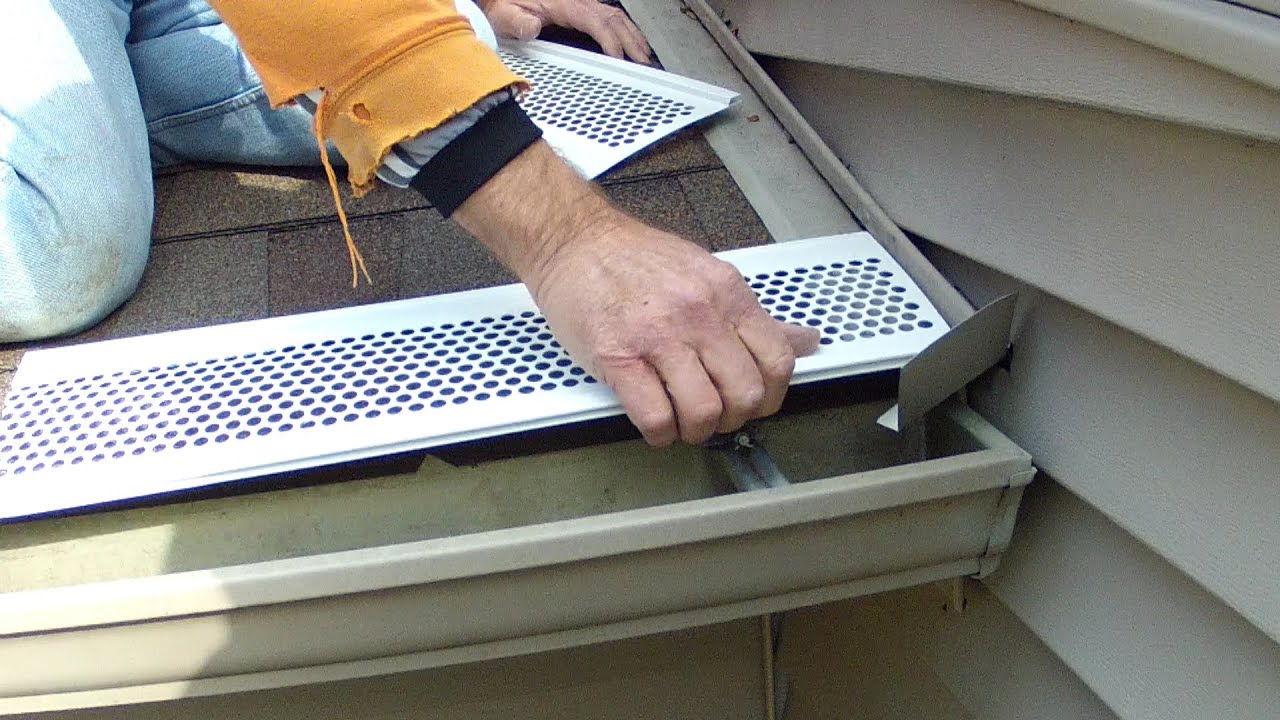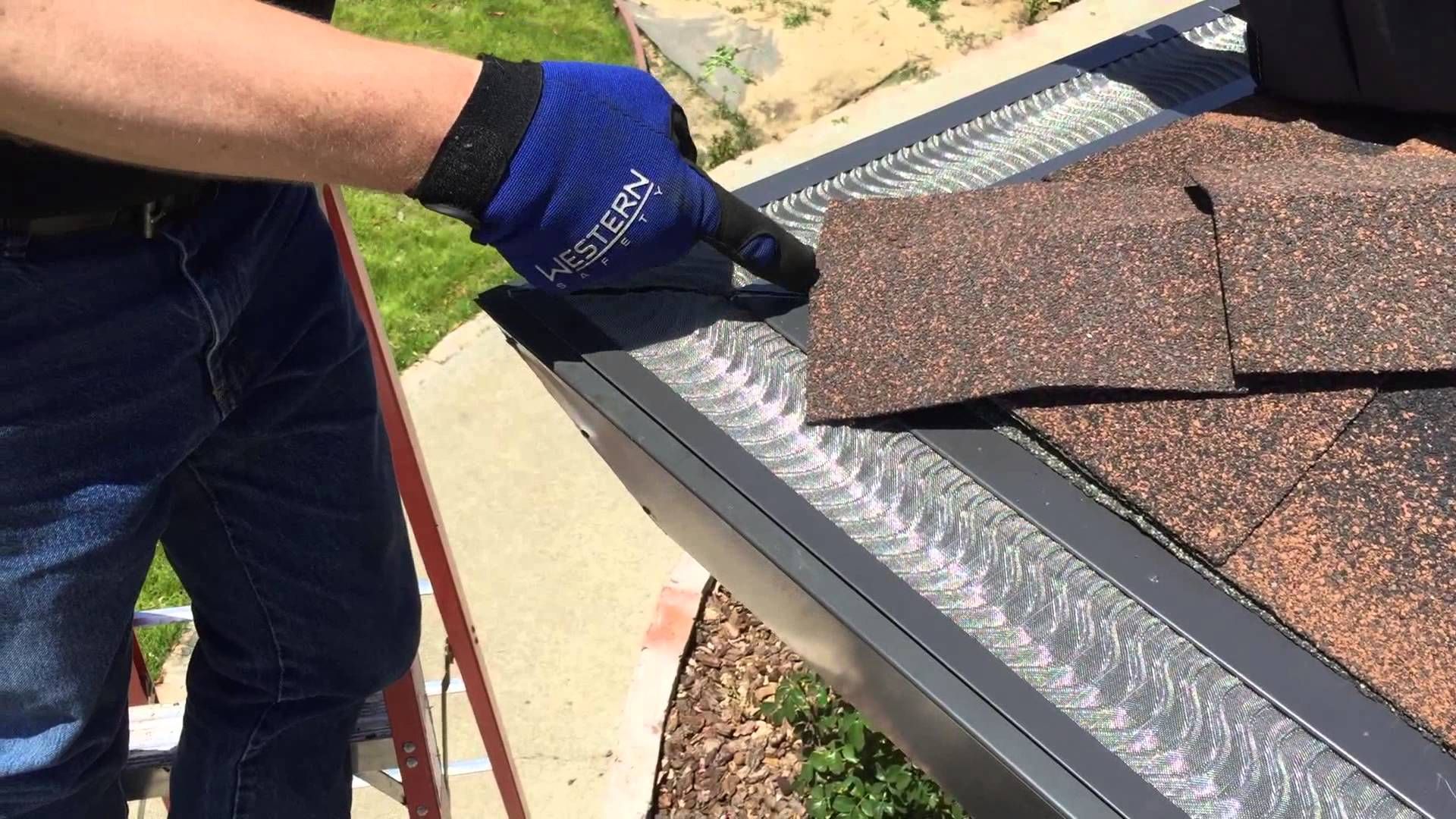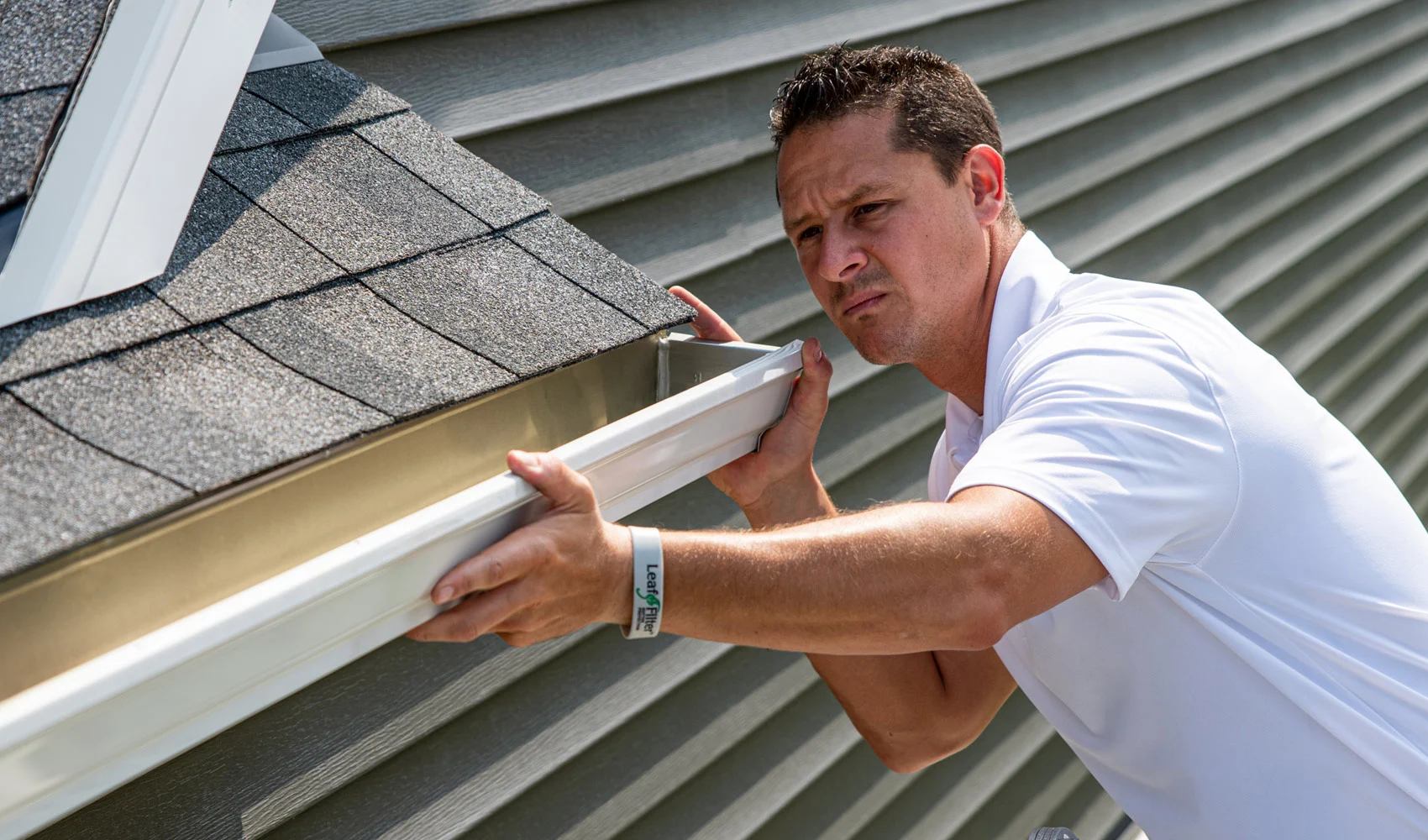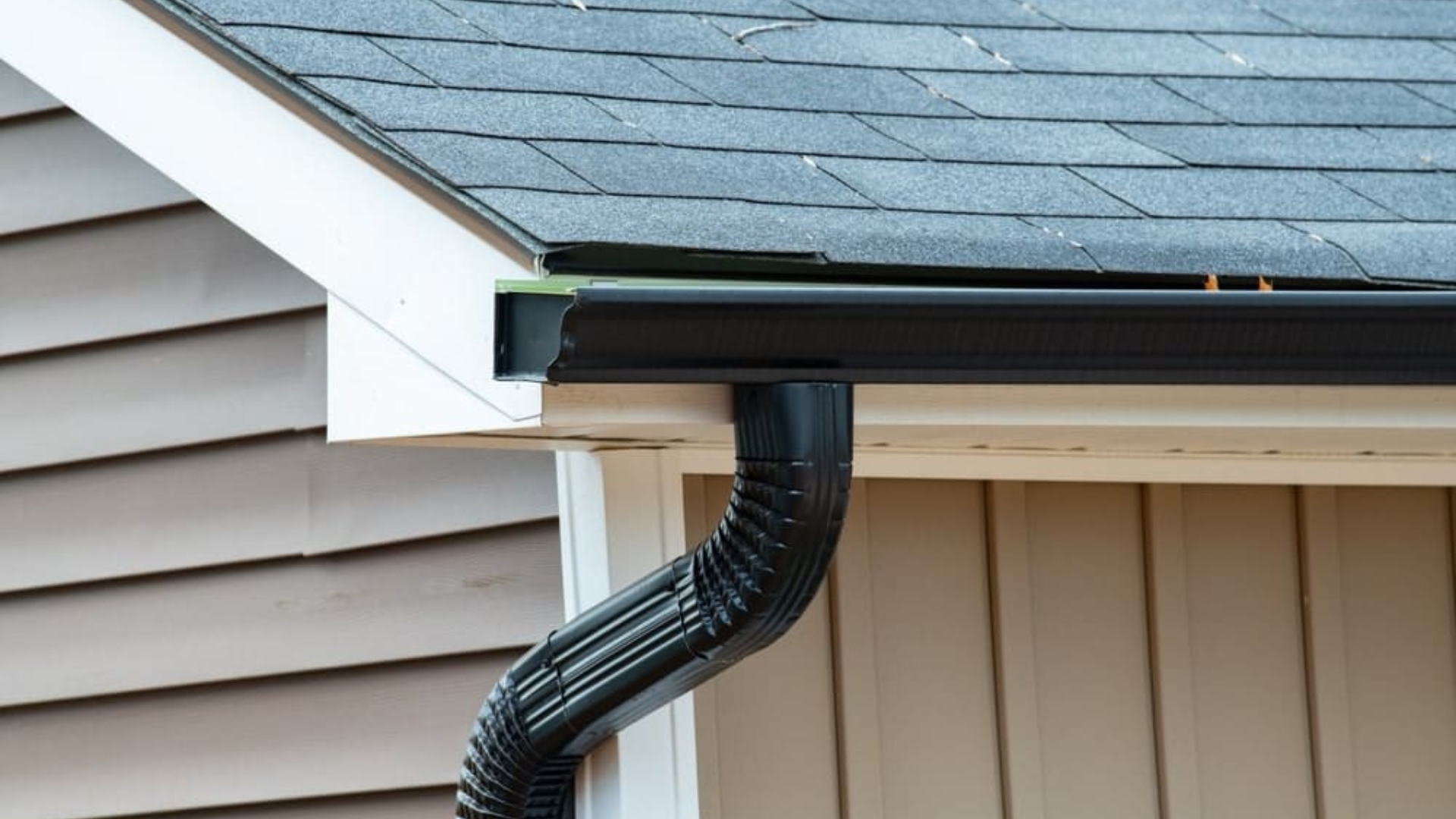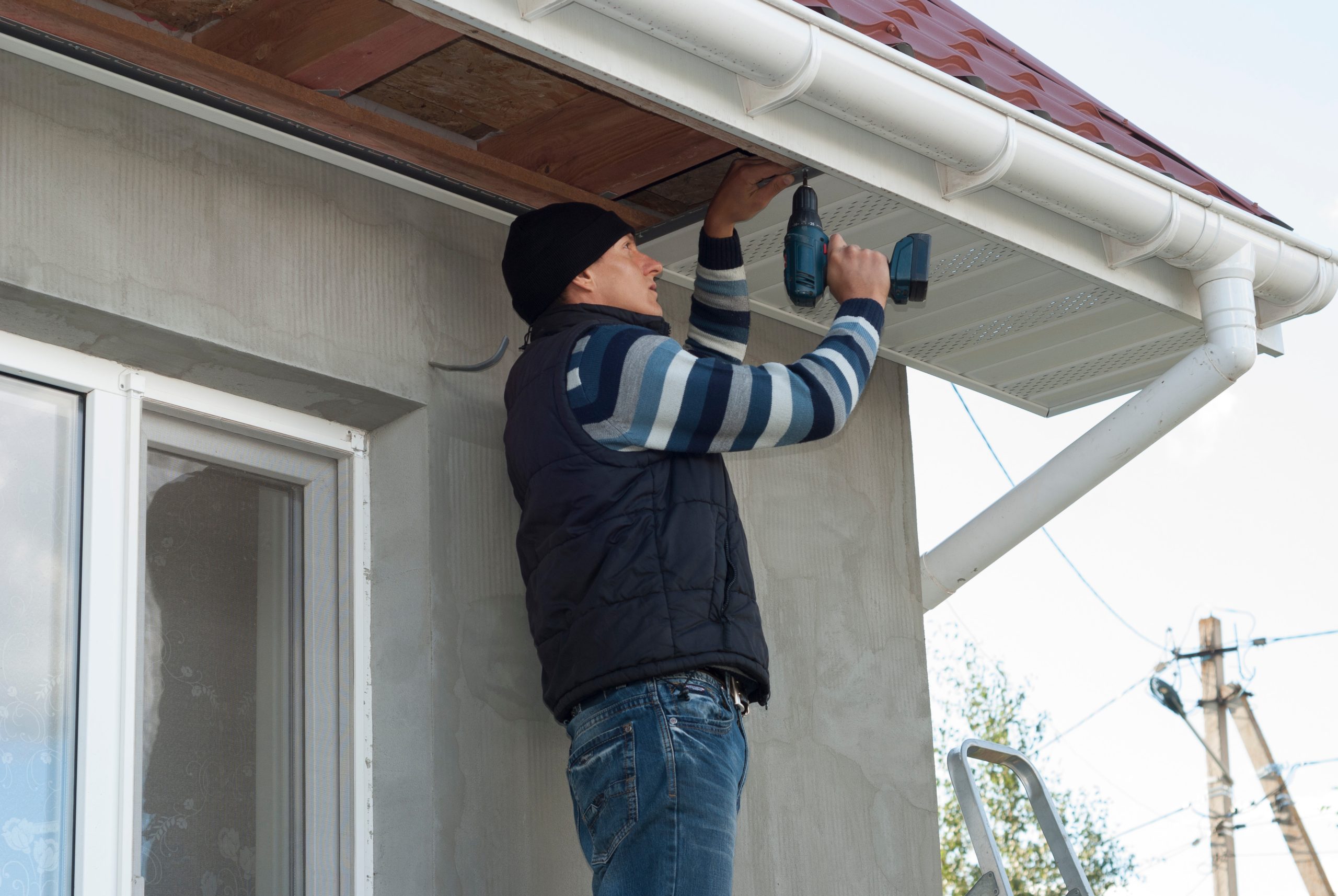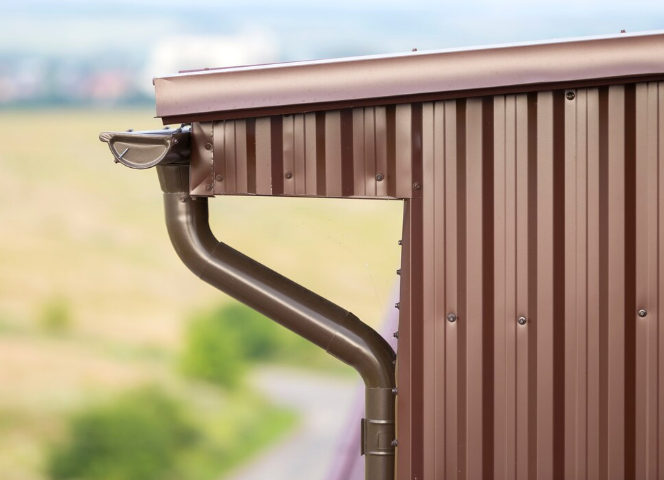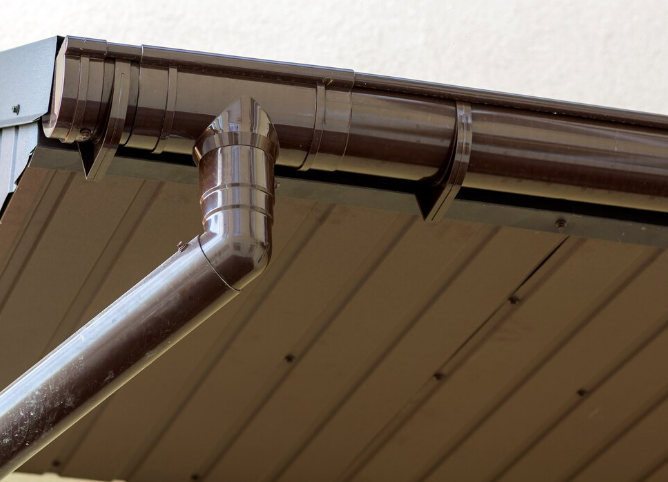
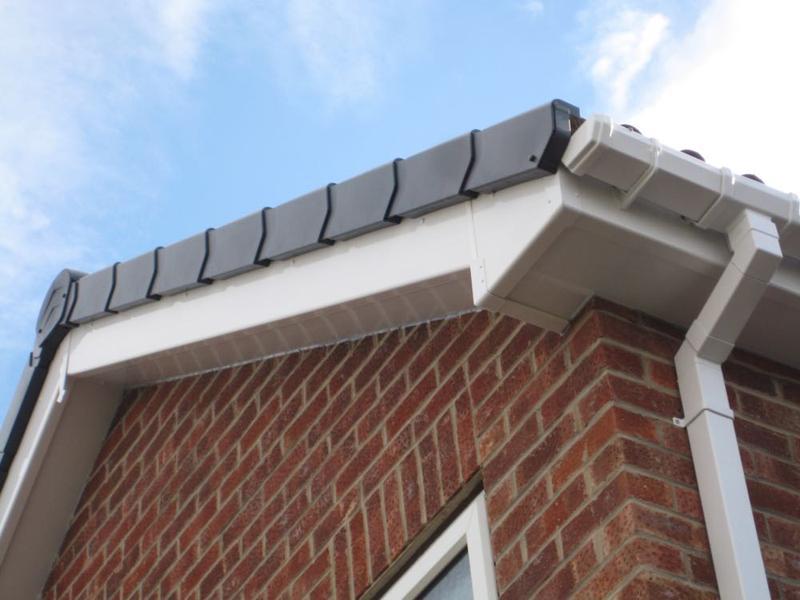
When it comes to protecting your home or commercial property, gutter and fascia systems play a much larger role than most people realize. Gutters direct rainwater safely away from your roof and foundation, while fascia boards provide both structural support and aesthetic appeal. But here’s the challenge: not every material performs the same way in every climate. Choosing the wrong gutter and fascia materials could lead to costly repairs, frequent maintenance, or even long-term structural damage.
In this blog, we’ll guide you step by step on how to select the right materials for your climate whether you live in a region with heavy rainfall, freezing winters, or hot, dry summers.
Why Gutter and Fascia Materials Matter
Your gutter and fascia aren’t just decorative features; they are vital to the longevity and safety of your property. Gutters prevent water from pooling around your foundation, while fascia boards hold the gutter system in place and shield the roofline from moisture damage.
If your gutter and fascia materials aren’t suited for your local weather, you risk:
- Water infiltration in walls and basements
- Rotting fascia boards and soffits
- Mold growth and pest infestations
- Cracks in the foundation due to poor water drainage
That’s why the choice of material must match your climate and property type.
Common Gutter and Fascia Materials
Before we dive into climate-specific recommendations, let’s review the most common options available.
Aluminum Gutter and Fascia
Lightweight, rust-resistant, and budget-friendly, aluminium is one of the most popular choices. It comes in seamless options and can be painted in various colours.
Best for: Moderate to wet climates, where rust resistance is essential.
Vinyl Gutter and Fascia
Vinyl is affordable, easy to install, and resistant to corrosion. However, it can become brittle in extremely cold conditions.
Best for: Dry, mild climates with minimal temperature fluctuations.
Steel Gutter and Fascia
Steel is extremely durable and can handle heavy rain and snow loads. Galvanized options resist rust, but they still need maintenance.
Best for: Areas with heavy rain, snow, or extreme weather conditions.
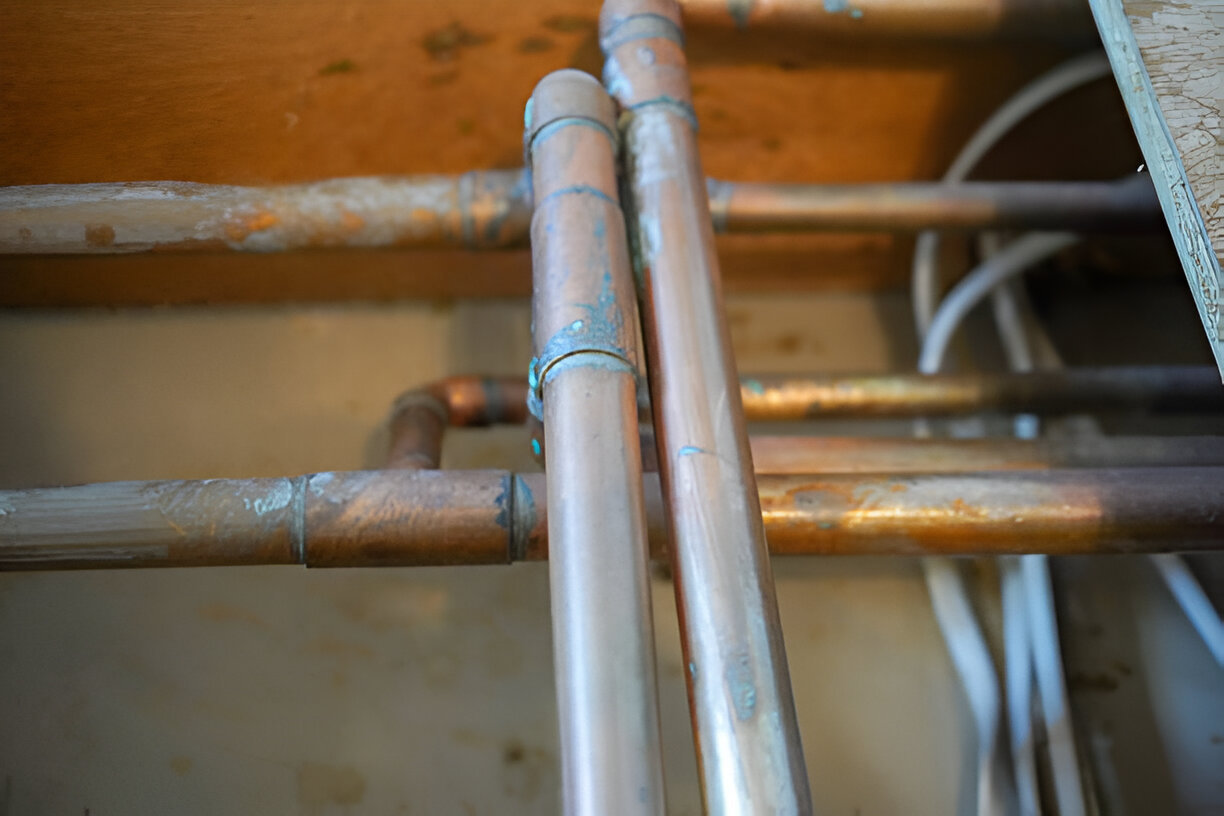
Copper Gutter and Fascia
Copper is premium, highly durable, and adds a timeless, elegant look. It doesn’t rust and can last over 50 years with proper care.
Best for: Coastal or historic homes, as well as regions with high humidity.
Wood Fascia
Wood fascia is traditional and aesthetically pleasing but requires regular sealing and maintenance.
Best for: Dry climates where moisture exposure is minimal.
Composite Fascia
Made from a mix of wood fibers and resins, composite fascia offers the look of wood with less maintenance.
Best for: Versatile for different climates, especially where moisture is a concern.
Choosing Gutter and Fascia Materials Based on Climate
Now, let’s match each gutter and fascia material to the climate where it performs best.
1. Wet and Rainy Climates
If you live in a region with frequent rain, your priority should be rust resistance and efficient drainage.
- Recommended Gutters: Aluminum or Copper
- Recommended Fascia: Composite or Aluminum
- Why: These materials resist corrosion and can handle high volumes of water.
2. Cold and Snowy Climates
Snow and ice can add weight to your gutters, making durability crucial.
- Recommended Gutters: Steel or Copper
- Recommended Fascia: Steel or Composite
- Why: Strong materials prevent warping, sagging, and damage from ice dams.
3. Hot and Dry Climates
In sunny, arid regions, UV exposure and temperature swings can weaken gutters and fascia.
- Recommended Gutters: Aluminum or Vinyl
- Recommended Fascia: Wood (sealed) or Composite
- Why: Lightweight, low-maintenance materials perform well under heat without cracking.
4. Coastal or Humid Climates
Salty air and humidity can corrode metal quickly.
- Recommended Gutters: Copper or Vinyl
- Recommended Fascia: Composite or Aluminum
- Why: Copper withstands corrosion, while composite fascia resists swelling and rot.
Maintenance Considerations for Gutter and Fascia Materials
Even with the right materials, routine care is essential:
- Clean gutters at least twice a year to prevent clogs.
- Inspect fascia boards for cracks, peeling paint, or signs of rot.
- Seal wooden fascia regularly if you opt for a natural look.
- Schedule professional inspections to catch hidden issues early.
Cost vs. Longevity: Making the Right Investment
When selecting gutter and fascia materials, cost is a deciding factor for many homeowners.
- Vinyl: Low cost, 10–15 years lifespan
- Aluminum: Moderate cost, 20–25 years lifespan
- Steel: Higher cost, 20–40 years lifespan
- Copper: Premium cost, 50+ years lifespan
- Wood Fascia: Low to moderate cost, 10–20 years lifespan (with high maintenance)
- Composite Fascia: Moderate cost, 25–30 years lifespan
Think of your investment as balancing upfront cost vs. long-term value.
Professional Installation for Gutter and Fascia Systems
Even the best material will fail if not properly installed. Hiring an experienced contractor ensures:
- Proper gutter slope for drainage
- Secure fascia installation for stability
- Seamless joints to prevent leaks
- Compliance with building codes
For expert help, check out our guide on installing a drainage system to see how professional installation prevents costly damage.
FAQs About Gutter and Fascia
Q1: How often should I replace gutters and fascia?
Most systems last 20–30 years, depending on the material. Inspect them regularly for rust, cracks, or sagging.
Q2: Can I mix different materials for gutters and fascia?
Yes. For example, copper gutters can be paired with composite fascia for durability and style.
Q3: What’s the best low-maintenance option?
Aluminum gutters with composite fascia offer the best balance of durability and minimal upkeep.
Q4: Do gutter guards work in all climates?
Yes, but their performance depends on the type of debris in your area. They are especially useful in rainy or wooded regions.
Q5: Is professional installation really necessary?
Absolutely. Improper gutter installation can shorten the lifespan of your system and lead to costly water damage.
Final Thoughts
Selecting the right gutter and fascia materials for your climate is more than a design choice it’s an investment in your property’s protection and value. By understanding how each material performs in different weather conditions, you can make an informed decision that saves you money and stress in the long run.
Whether you’re a homeowner or managing a commercial building, trust professionals who understand the importance of durable, climate-appropriate systems. With the right combination of materials, your gutter and fascia system will provide decades of reliable performance.